 All women and men of reproductive age will achieve optimal health and wellness, fostering a healthy life course for them and any children they may have.
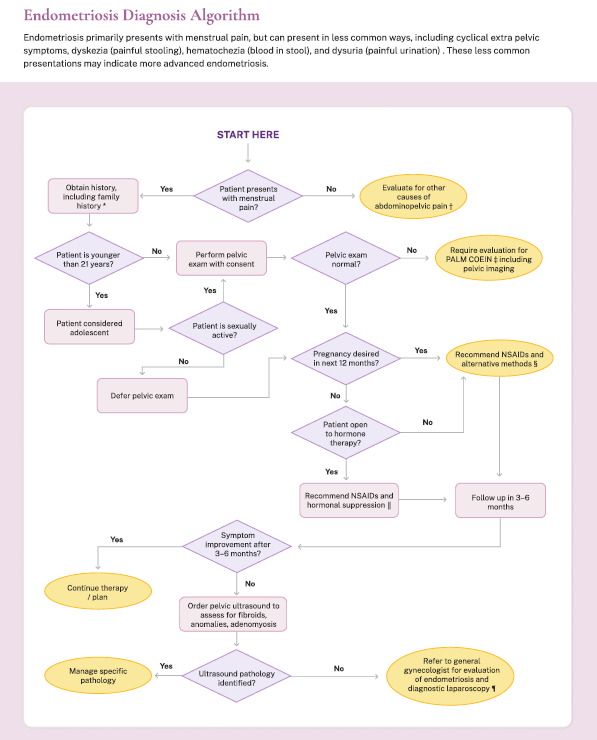
Endometriosis is a complex health condition commonly experienced by women, affecting about 10% of women of reproductive age. Endometriosis has been identified in 40-50% of women and adolescents with persistent pelvic pain and in 30-40% of women with infertility. Like many chronic women’s health conditions, endometriosis has been historically under-researched, poorly understood, and underdiagnosed, and women and girls with endometriosis often report delays in diagnosis and treatment and ineffective management of the condition. ACOG guidelines for diagnosis and treatment of endometriosis have changed, creating the need for educational materials to support better recognition and patient-centered management of endometriosis by health care providers.
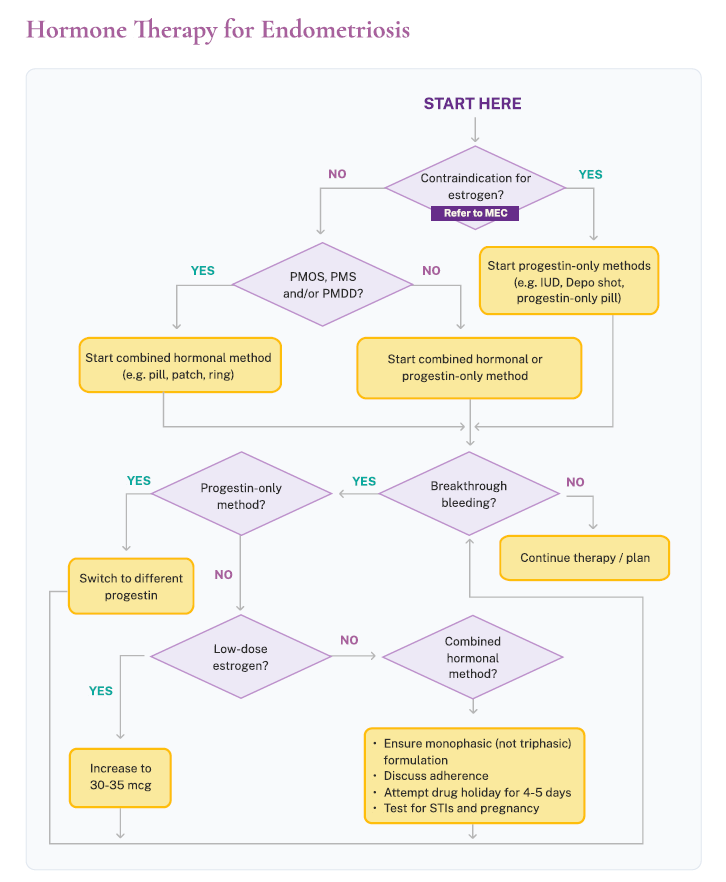
The UNC Collaborative for Maternal and Infant Health convened an expert panel of physicians in 2026 to create a provider education course about endometriosis, including updated diagnosis and treatment guidelines aligned with the American College of Obstetricians & Gynecologists’ (ACOG) 2026 Clinical Practice Guideline on Diagnosis of Endometriosis. The expert panel included: Noor Dasouki Abu-Alnadi, MD (Ob/Gyn & Minimally Invasive Gynecologic Surgeon, Assistant Professor of MIGS UNC School of Medicine), Bianca Allison, MD, MPH (Pediatrician and Associate Professor of Pediatrics, UNC School of Medicine), and Ceshae Harding, MD (Internist and Assistant Professor of Epidemiology and Prevention, Wake Forest University School of Medicine). An advisory board of women with lived-experience of endometriosis provided insights and guidance for how providers can best work with their patients on the journey of endometriosis diagnosis and treatment.
You can find links to the online training course and clinical algorithms below.
Diagnosis and Hormone Therapy Algorithms